


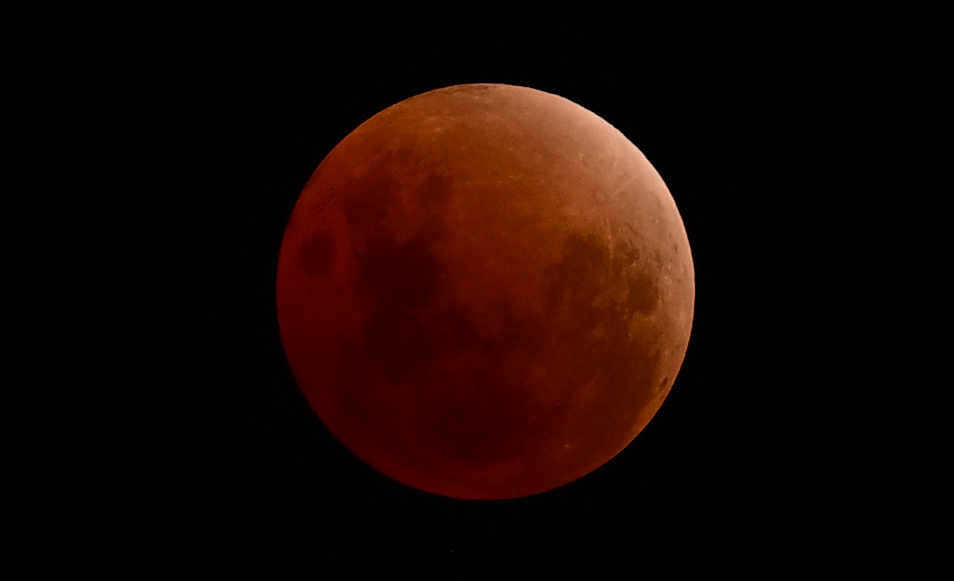
An eclipse is one of the most talked-about events in astrology. Whether it is a solar eclipse or a lunar eclipse, these celestial events have been regarded as significant for thousands of years. Many people wonder if an eclipse is a sign that something important is about to happen, or whether it has a special meaning for their horoscope.
In traditional Western astrology, eclipses are seen as periods that can mark changes, new developments or the completion of an important chapter. While not every eclipse brings dramatic events, they have long been associated with turning points and shifts in direction.
What Is an Eclipse?
An eclipse occurs when the Sun, Earth and Moon align.
A solar eclipse happens when the Moon passes between the Earth and the Sun, temporarily blocking part or all of the Sun's light.
A lunar eclipse occurs when the Earth passes between the Sun and the Moon, causing the Earth's shadow to fall across the Moon.
Astronomy explains how eclipses occur, while astrology looks at what these events may symbolise within the natural cycles of the heavens.
What Does an Eclipse Mean in Astrology?
Astrologers have traditionally viewed eclipses as periods when change becomes more noticeable.
An eclipse is often associated with:
- new opportunities
- important decisions
- bringing hidden matters into the open
- completing one stage before beginning another
- changes that seem to gather momentum
Rather than creating events on their own, eclipses are viewed as highlighting times when existing situations may develop more quickly or become clearer.
What Does a Solar Eclipse Mean?
A solar eclipse always occurs at a New Moon.
For this reason, traditional astrology often links a solar eclipse with beginnings, fresh opportunities and setting a new direction. It can coincide with the start of a project, a change in circumstances or the beginning of a new phase of life.
Like any New Moon, a solar eclipse is associated with looking ahead, although astrologers generally consider its symbolism to carry greater significance.
What Does a Lunar Eclipse Mean?
A lunar eclipse always occurs at a Full Moon.
Full Moons are traditionally associated with completion, awareness and bringing matters to a conclusion. A lunar eclipse builds on this symbolism by encouraging reflection and helping situations become clearer.
It may coincide with finishing a long-term project, reaching an important decision or finally understanding something that has been developing over time.
Why Are Eclipses Considered Powerful?
The Sun and Moon are two of the most important bodies used in astrology, representing fundamental cycles of life and time.
Eclipses occur close to the lunar nodes, the points where the Moon's orbit crosses the apparent path of the Sun. These points have held special significance in astrology for centuries because they make eclipses possible.
When the normal light of the Sun or Moon is temporarily interrupted, astrologers have traditionally regarded the event as symbolically important, marking periods when change and significant developments are more likely to attract attention.
How Long Do Eclipse Effects Last?
There is no single answer.
Different astrological traditions interpret eclipse timing in different ways. Some focus on the days surrounding the eclipse itself, while others believe its symbolism may continue unfolding over several weeks or months.
The greatest significance is usually given to eclipses that closely connect with important positions in an individual's birth chart.
Do Eclipses Affect Everyone Equally?
No.
While everyone experiences the same eclipse in the sky, its astrological importance varies from person to person.
People whose birth charts contain planets or important points close to the eclipse degree are generally considered more likely to notice its symbolism. Others may experience little obvious effect at all.
This is one reason why two people can have very different experiences during the same eclipse season.
Should You Be Worried About an Eclipse?
Astrologers say no.
Although eclipses have often been surrounded by mystery throughout history, modern Western astrology generally views them as natural parts of ongoing planetary cycles rather than signs of bad luck.
They are better understood as times that encourage awareness, adjustment and accepting change where it naturally occurs.
The Bigger Picture
Eclipses have fascinated astronomers and astrologers alike for thousands of years. In astrology, they are regarded as important markers within the ongoing rhythm of the heavens, often highlighting periods when change, decisions and new opportunities become more noticeable.
Whether you follow astrology closely or are simply curious about the meaning of an upcoming eclipse, understanding its traditional symbolism helps place these dramatic celestial events into a broader astrological context.
In Conclusion
Solar and lunar eclipses have long been regarded as important moments in traditional astrology. Understanding what they symbolise helps explain why eclipses continue to attract so much interest whenever they appear in the sky.
 Aries
Aries Taurus
 Gemini
 Cancer
 Leo
Leo Virgo
Virgo Libra
Libra Scorpio
 Sagittarius
 Capricorn
 Aquarius
 Pisces